The Detailed Process
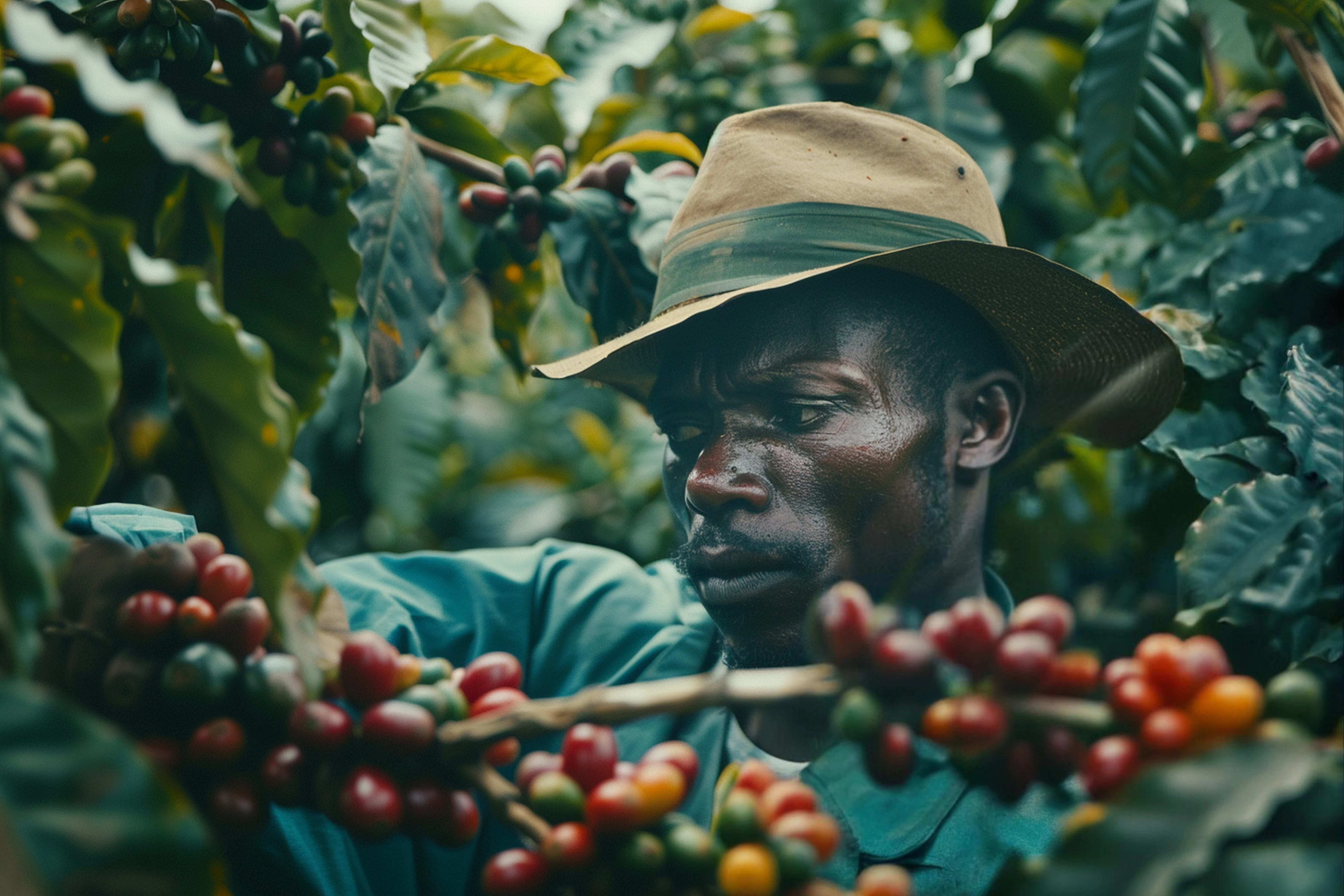
1. Hand Picking
Ripe coffee cherries do not mature uniformly on the tree. Mechanical stripping would mix underripe, ripe and overripe fruit — degrading cup quality.
Workers selectively harvest only fully ripe cherries (bright red or yellow depending on cultivar) with optimal sugar concentration for fermentation and flavour.
Unripe cherries are left to mature; overripe ones avoided to prevent off-flavours.
Selective hand picking is labour-intensive but essential for specialty-grade quality. Poor picking is one of the biggest sources of defects.
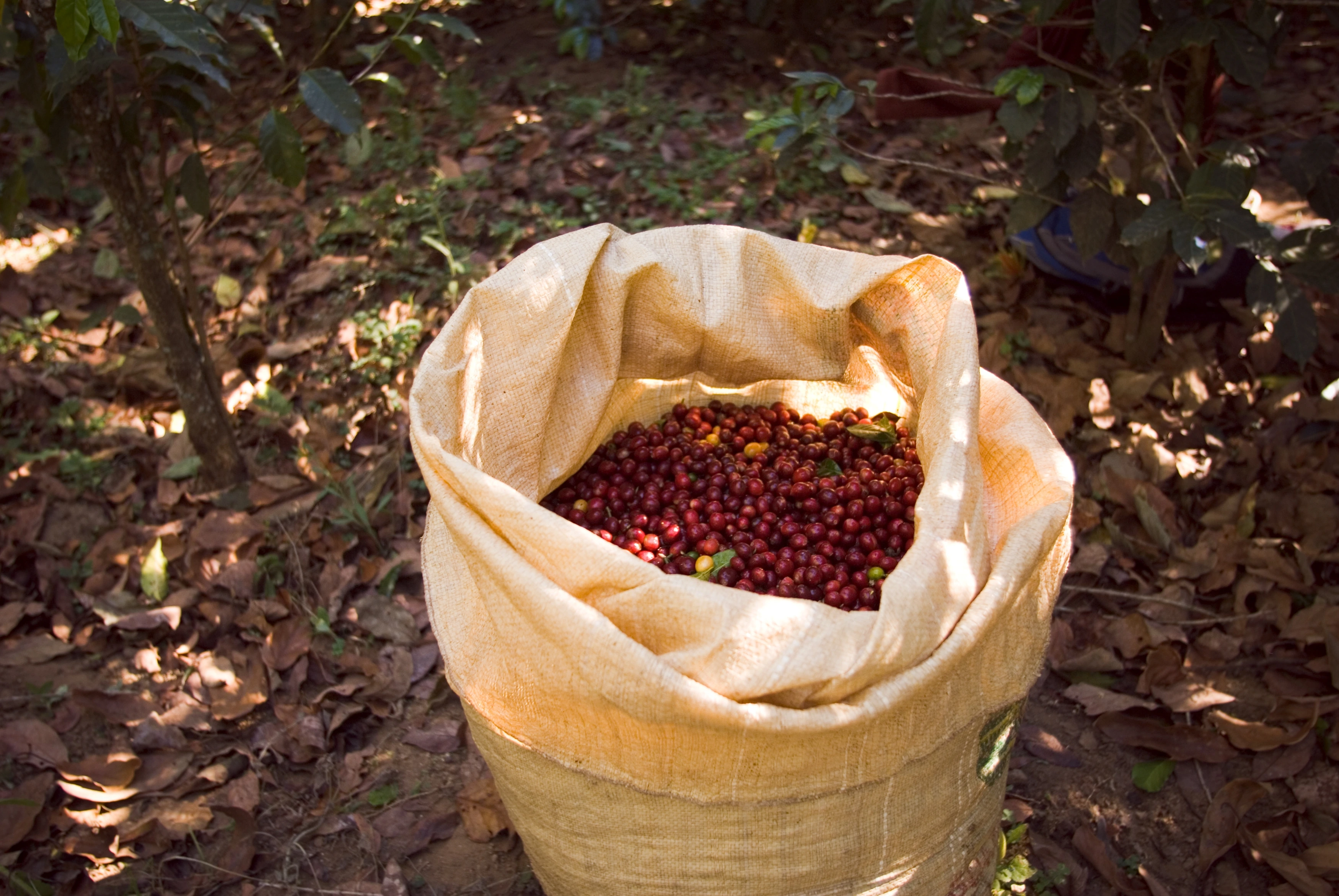
2. Sorting the Ripe Cherries
After harvest, cherries are sorted by density and visually to remove defective material.
Floatation sorting: cherries poured into water tanks — dense, healthy cherries sink; underripe, insect-damaged or hollow ones float and are removed.
Manual sorting removes leaves, twigs, stones and visibly defective fruit.
This step ensures uniformity before pulping, improving fermentation control and preventing contamination.

3. Pulping
Pulping mechanically removes the outer fruit skin and pulp from the cherry.
Cherries pass through a pulper machine with rotating drums or discs. Pressure separates skin and pulp from the seed.
The seed emerges coated in sticky mucilage (pectin-rich layer) — crucial as it feeds fermentation microbes.
Pulping must be calibrated carefully — excessive pressure can damage beans and reduce grade.

4. Sun Drying
Beans are dried to reduce moisture content to about 10–12%, safe for storage.
Spread on raised drying beds or patios and turned frequently for uniform drying.
Drying typically takes 7–14 days depending on climate.
Controlled drying prevents mold growth, overheating and case hardening (dry exterior, wet interior), preserving cellular structure and flavour compounds.

5. Dry Milling
Post-drying mechanical refinement stage.
Includes hulling (removing parchment layer), optional polishing (removing silver skin), and cleaning (removing dust, husk fragments, foreign material).
At this point, the product is green coffee — stable and export-ready raw bean.

6. Grading
Grading classifies green coffee by physical and quality attributes.
Parameters include bean size (screen size), density, colour uniformity, defect count, moisture level.
Higher grades have fewer defects and more uniform beans. Specialty grading is strict and influences pricing significantly.
Often includes cupping — sensory evaluation of aroma, acidity, body, sweetness and aftertaste.

7. Roasting
Roasting is a thermochemical transformation converting green coffee into aromatic product.
Beans heated to 180–240°C. Maillard reactions create flavour compounds; sugars caramelize; bean expands (“first crack” & “second crack”).
Roast levels influence flavour:
• Light: bright acidity, origin flavours preserved
• Medium: balanced sweetness and body
• Dark: smoky, bitter, lower acidity
Roasting reveals the bean’s true profile.